 Study destination
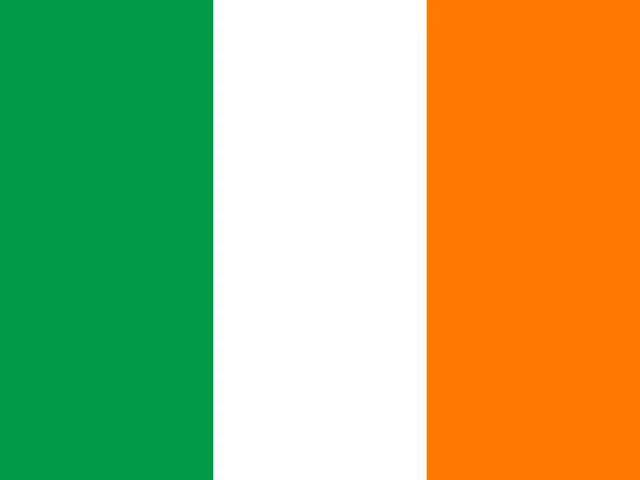
Study in Ireland
An English-speaking EU country with one-year master’s degrees and major technology employers.
- Main intakes
- Sep, Jan
- Bachelor’s
- 3 to 4 years
- Master’s
- 1 year
- English tests
- IELTS, PTE
01
Why study in Ireland
Ireland is an English-speaking member of the European Union, with one-year master’s degrees and the European offices of many large technology and pharmaceutical companies. Graduates can stay for one to two years to look for work.
One-year master’s degrees
Most taught master’s degrees take 12 months, so you finish and start working sooner.
Technology and pharmaceutical employers
Dublin hosts the European offices of companies such as Google, Meta and LinkedIn, and Cork is a centre for pharmaceuticals.
English-speaking, in the EU
Teaching and daily life are in English, in a member of the European Union.
Stay to work
One year after an honours bachelor’s degree and two years after a master’s, under the graduate programme.
02
Universities
| University | Known for |
|---|---|
| Trinity College DublinDublin | Research, computer science, law |
| University College DublinDublin | Business, engineering, sciences |
| University of GalwayGalway | Medicine, engineering |
| University College CorkCork | Pharmacy, food science, business |
| Dublin City UniversityDublin | Business, computing, engineering |
Also on our list
- Atlantic Technological University
- Dublin Business School
- Griffith College
- Maynooth University
- Munster Technological University
- National College of Ireland
- South East Technological University
- Technological University Dublin
- Technological University of the Shannon
- University of Limerick
03
Intakes and deadlines
September
- Classes start
- September
- Apply
- October to May
The main intake, with every programme.
January
- Classes start
- January
- Apply
- June to October
Mostly master’s programmes, at some universities.
04
Tuition and living costs
Typical figures for international students. Fees and visa amounts change every year, so a counsellor confirms the current figures for your course.
- Bachelor’s tuitionMedicine costs more.
- €10,000 to €25,000 a year
- Master’s tuitionFor a one-year course.
- €10,000 to €30,000
- Living costsIncluding rent. Dublin costs the most, and rooms are hard to find.
- €1,000 to €1,500 a month
- Proof of fundsFor living costs, on top of tuition, since 30 June 2025.
- €12,000 a year
05
Entry requirements
English
- IELTS Academic 6.0 to 6.5 overall for most courses
- PTE Academic and TOEFL iBT also accepted
Academic
- Bachelor’s: HSC or equivalent; some universities ask for a foundation year
- Master’s: a relevant bachelor’s degree, usually with a good CGPA
Study visa
- A letter of acceptance and proof of tuition payment
- Proof of €12,000 for living costs, with six months of bank statements
- Private medical insurance
06
How to apply, step by step
- 01
Choose courses
Shortlist universities by subject, budget and city, including outside Dublin.
- 02
Take an English test
IELTS Academic, PTE Academic or TOEFL iBT.
- 03
Apply
Directly to each university, which is how most international students apply.
- 04
Accept your offer and pay tuition
The visa office expects to see proof that your fees are paid.
- 05
Apply for the study visa
Online, then post your documents to the Embassy of Ireland in New Delhi.
- 06
Register after you arrive
Register with immigration within 90 days for your Irish Residence Permit (IRP).
07
Study visa
You apply online, then post your documents to the Embassy of Ireland in New Delhi, which decides study visas for residents of Bangladesh. There is no appointment to attend. After you arrive, you register for your Irish Residence Permit.
- Visa feeSingle entry, paid by Indian rupee demand draft from a bank in Bangladesh.
- INR 5,300
- Residence permit registrationPaid in Ireland when you register.
- €300
- Processing timeYou can apply up to three months before you travel.
- Varies
Documents you need
- Valid passport
- Signed online application summary
- Letter of acceptance
- Proof of tuition payment
- Bank statements for the last six months
- Private medical insurance
- Academic certificates and transcripts
- English test result
08
Working during and after study
While you study
Up to 20 hours a week during term, and up to 40 hours a week from June to September and from mid-December to mid-January.
After you graduate
The Stamp 1G graduate programme: 12 months after an honours bachelor’s degree, and 24 months after a master’s.
09
Common questions
Compare
Other destinations.
Every country has its own intakes, costs and visa rules. Compare them side by side before you decide.
Free counselling
Plan your studies in Ireland.
Book a free counselling session. We check which universities and courses fit your grades and budget, and give you a timeline for the next intake.