 Study destination
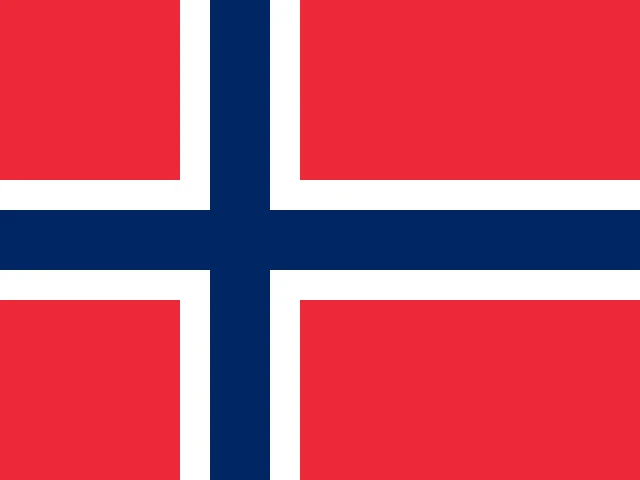
Study in Norway
Public universities, English-taught master’s degrees and remarkable natural surroundings.
- Main intakes
- Aug, Jan
- Bachelor’s
- 3 years
- Master’s
- 2 years
- English tests
- IELTS, TOEFL
01
Why study in Norway
Norway’s public universities offer English-taught master’s degrees in a safe, well-organised country surrounded by remarkable nature. Since 2023, students from outside Europe pay tuition, and living costs are high, so careful budgeting matters.
English-taught master’s degrees
Most international programmes are master’s degrees taught fully in English.
Energy, marine and climate sciences
Strengths in petroleum and renewable energy, marine science, and climate and Arctic research.
Small classes, open teachers
Teaching is informal, and students work closely with their lecturers.
Remarkable nature
Mountains, fjords and the coast are close to every university city.
02
Universities
| University | Known for |
|---|---|
| University of OsloOslo | Research, sciences, law |
| Norwegian University of Science and Technology (NTNU)Trondheim | Engineering, technology |
| University of BergenBergen | Marine and climate sciences |
| UiT The Arctic University of NorwayTromsø | Arctic and marine sciences |
| Norwegian University of Life SciencesÅs | Agriculture, environmental sciences |
Also on our list
- BI Norwegian Business School
- NHH Norwegian School of Economics
- Nord University
- Oslo Metropolitan University
- University of Agder
- University of South-Eastern Norway
- University of Stavanger
- Western Norway University of Applied Sciences
03
Intakes and deadlines
August
- Classes start
- August
- Apply
- October to December
The main intake. Deadlines for applicants from outside Europe are often around 1 December.
January
- Classes start
- January
- Apply
- Varies by programme
Offered by very few programmes.
04
Tuition and living costs
Typical figures for international students. Fees and visa amounts change every year, so a counsellor confirms the current figures for your course.
- TuitionAt public universities, for students from outside the EU, the EEA and Switzerland.
- NOK 130,000 to 340,000 a year
- Living costsIncluding rent. Oslo costs the most.
- NOK 13,000 to 17,000 a month
- Proof of fundsFor 2026 to 2027, on top of tuition, deposited before the permit is granted.
- NOK 170,368 a year
05
Entry requirements
English
- IELTS Academic 6.5 overall for most master’s programmes
- TOEFL iBT also accepted
Academic
- Master’s: a relevant bachelor’s degree of at least three years, with the subject credits each programme sets
- Bachelor’s: few programmes are taught in English, and most need Norwegian
Study permit
- Admission to a full-time programme
- Funds in a Norwegian bank account or the university’s deposit account
- Proof of somewhere to live
06
How to apply, step by step
- 01
Choose programmes, a year ahead
Deadlines for applicants from outside Europe come early, often in December.
- 02
Take an English test
IELTS Academic or TOEFL iBT.
- 03
Apply
Directly to each university, with your certificates, transcripts and English score.
- 04
Accept your offer and pay
Pay the first tuition instalment and deposit your living costs with the university.
- 05
Apply for the study permit
Online to UDI, then hand in your documents and fingerprints at the visa centre in Dhaka.
- 06
Collect your residence card
Register with the police in Norway soon after you arrive.
07
Study permit
You apply online to the Norwegian Directorate of Immigration (UDI), then hand in your documents and give fingerprints at the visa centre in Dhaka. The Danish Embassy in Dhaka handles Norwegian residence permits.
- Application fee
- NOK 5,400
- Processing timeApply as soon as you have paid tuition and deposited your funds.
- Varies
Documents you need
- Valid passport
- UDI application form and checklist
- Admission letter
- Proof of tuition payment
- Proof of funds
- Proof of accommodation
- Academic certificates and transcripts
08
Working during and after study
While you study
Up to 20 hours a week during term, and full time during holidays.
After you graduate
A permit of up to a year to look for skilled work, after you complete your degree in Norway.
09
Common questions
Compare
Other destinations.
Every country has its own intakes, costs and visa rules. Compare them side by side before you decide.
Free counselling
Plan your studies in Norway.
Book a free counselling session. We check which universities and courses fit your grades and budget, and give you a timeline for the next intake.